
When homeowners begin researching ways to improve their garage, basement, workshop, mudroom, or utility room floors, they often encounter two common options: epoxy flooring and concrete sealers.
At first glance, the two solutions may appear similar. Both are applied to concrete surfaces, both can improve appearance, and both can provide some degree of protection.
However, the differences between epoxy flooring and concrete sealers are substantial.
Understanding those differences can help homeowners make the best decision for their property, budget, and long-term goals.
For homeowners throughout King of Prussia, Montgomery County, and southeastern Pennsylvania, choosing the right concrete protection system can significantly impact durability, maintenance requirements, and overall value.
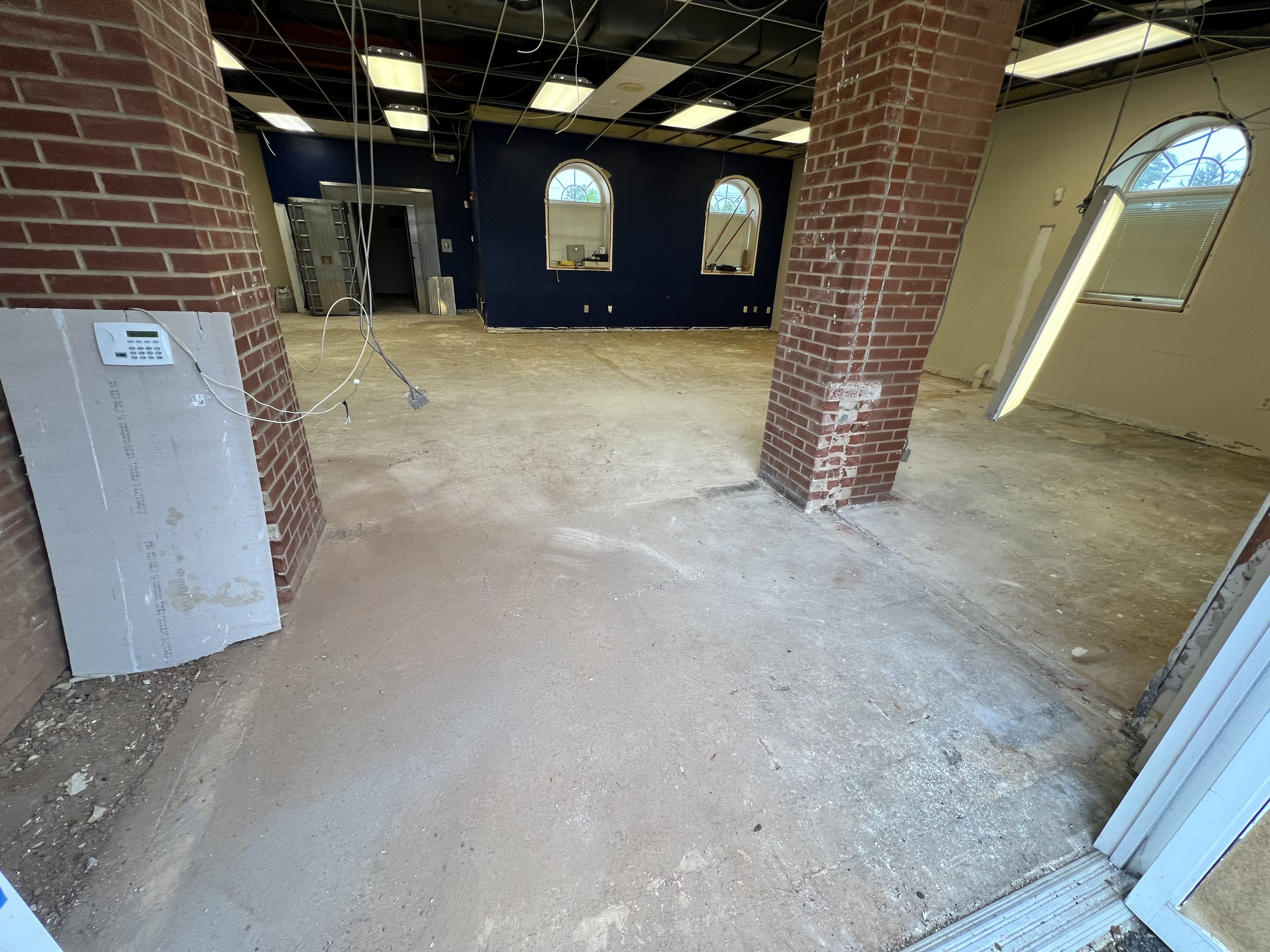
What Is a Concrete Sealer?
A concrete sealer is a protective product applied to the surface of concrete to help reduce water penetration, staining, and surface deterioration.
Most sealers are designed to soak into the concrete or create a thin protective film on top of the surface.
Common types of concrete sealers include:
- Penetrating sealers
- Acrylic sealers
- Silicate densifiers
- Polyurethane sealers
- Decorative sealers
The primary purpose of a concrete sealer is protection rather than transformation.
While some sealers enhance color or add gloss, they generally do not dramatically alter the appearance of the floor.
The American Concrete Institute (ACI) provides extensive information regarding concrete durability and protection methods.
What Is Epoxy Flooring?
Epoxy flooring is a resin-based coating system that chemically bonds to the concrete surface.
Unlike a simple sealer, epoxy creates a durable protective layer over the concrete.
A professional epoxy flooring system typically includes:
- Concrete preparation
- Crack repair
- Primer coat
- Epoxy base coat
- Decorative elements
- Protective topcoat
The result is a seamless, highly durable flooring system designed to withstand heavy use and provide long-term protection. For a complete overview of residential epoxy systems, see our Complete Guide to Epoxy Flooring for Homes in King of Prussia, PA.
The Biggest Difference: Protection Level
The most important distinction between epoxy flooring and concrete sealers is the amount of protection they provide.
Concrete Sealers Provide Limited Surface Protection
Concrete sealers can help protect against:
- Moisture penetration
- Minor staining
- Surface dusting
- UV exposure (depending on the product)
However, sealers generally do not provide significant protection against:
- Heavy impacts
- Vehicle traffic
- Oil spills
- Road salt
- Abrasion
Because the protective layer is relatively thin, sealers tend to wear more quickly in high-traffic environments.
Epoxy Flooring Creates a Protective Barrier
Epoxy flooring creates a substantially thicker and more durable protective surface.
A properly installed epoxy system can resist:
- Oil
- Gasoline
- Road salt
- Automotive fluids
- Chemical spills
- Heavy foot traffic
- Vehicle traffic
- Impact damage
This level of protection makes epoxy flooring particularly popular for garages, workshops, mudrooms, and home gyms.
Appearance: Which Looks Better?
For many homeowners, appearance is an important factor.
Concrete Sealer Appearance
Concrete sealers typically maintain the natural appearance of the concrete.
Depending on the product selected, homeowners may achieve:
- Matte finish
- Satin finish
- Gloss finish
- Slight color enhancement
If you like the appearance of raw concrete, a sealer may be sufficient.
Epoxy Flooring Appearance
Epoxy flooring offers significantly more design flexibility.
Popular options include:
- Decorative flake flooring
- Quartz flake flooring
- Metallic epoxy flooring
- Solid color epoxy systems
- Custom color blends
Because epoxy covers the concrete completely, it allows homeowners to create a truly finished appearance.
This is one reason epoxy flooring has become one of the most popular garage floor coating solutions in Pennsylvania.
Durability Comparison
When comparing durability, epoxy flooring is generally the clear winner.
| Feature | Concrete Sealer | Epoxy Flooring |
| Moisture Protection | Good | Excellent |
| Stain Resistance | Moderate | Excellent |
| Chemical Resistance | Moderate | Excellent |
| Impact Resistance | Limited | Excellent |
| Vehicle Traffic Resistance | Limited | Excellent |
| Decorative Options | Limited | Extensive |
| Lifespan | 1–5 Years | 10–20+ Years |
For high-use residential environments, epoxy flooring typically provides significantly better long-term performance.
Which Option Is Better for Pennsylvania Garages?
For most garages, epoxy flooring is the preferred solution.
Pennsylvania winters expose garage floors to:
- Road salt
- Snow
- Ice
- Moisture
- Temperature swings
These conditions can quickly deteriorate untreated concrete.
While sealers provide some protection, they generally do not offer the same level of durability as a professional epoxy flooring system.
Homeowners seeking long-term protection typically choose decorative flake flooring or quartz flooring systems because of their proven performance in garage environments.
Which Option Costs Less?
Concrete sealers typically have a lower upfront cost.
However, they often require more frequent reapplication.
Many homeowners discover that repeated sealing over a decade can approach or exceed the cost of a professionally installed epoxy flooring system.
Epoxy flooring usually costs more initially but often provides significantly better long-term value because of its durability and longevity.
For a more detailed breakdown, see our article on How Much Does Epoxy Flooring Cost in King of Prussia, PA?
When a Concrete Sealer Makes Sense
Concrete sealers can be a good option when:
- The concrete is in excellent condition
- Traffic levels are low
- Appearance is not a major concern
- Budget is the primary consideration
- The goal is basic moisture protection
For patios, walkways, and lightly used storage areas, a sealer may be sufficient.
When Epoxy Flooring Is the Better Investment
Epoxy flooring is typically the better choice when:
- You want maximum durability
- You need stain resistance
- Vehicles use the space
- Appearance matters
- You want decorative options
- You want a long-term solution
This is why epoxy flooring remains one of the most requested upgrades for garages, basements, mudrooms, workshops, kitchens, and home gyms throughout King of Prussia and Montgomery County.
The Bottom Line
Both concrete sealers and epoxy flooring can improve and protect concrete surfaces, but they serve different purposes.
Concrete sealers provide basic protection and preserve the natural appearance of concrete.
Epoxy flooring creates a highly durable, attractive, and long-lasting surface that transforms concrete into a finished floor.
For most homeowners seeking maximum protection, durability, and visual appeal, epoxy flooring offers the best overall value.
Whether you’re considering a garage floor coating, decorative flake flooring, quartz flooring system, metallic epoxy floor, or polished concrete project, understanding the differences between sealers and coatings will help you make the right investment for your home.